Blog
Decluttering, Digital Detox, Financial Freedom, Happiness, Intentional Living, Life Simplification, Lifestyle Change, Mental Well-being, Mindful Living, Minimalism, Minimalist Lifestyle, Modern Living, Organization, Personal Development, Productivity, Self Improvement, Simple Living, Stress Reduction, Sustainable Living, Work-Life Balance
Yuvi
Minimalist Lifestyle: Declutter Your Life for Happiness and Peace
In today’s fast-paced and consumer-driven world, people often find themselves overwhelmed by excess possessions, responsibilities, and constant distractions. The minimalist lifestyle has emerged as a powerful approach to counter this overload by focusing on simplicity and intentional living. Minimalism is not about deprivation; rather, it is about removing what is unnecessary to make room for what truly matters. By adopting minimalism, individuals can experience greater clarity, reduced stress, and improved overall well-being. This lifestyle encourages mindful choices that align with personal values, ultimately leading to a more meaningful and fulfilling life.
Table of Contents
ToggleWhat is a Minimalist Lifestyle?
A minimalist lifestyle is centered on the idea of living with less in order to focus on more important aspects of life. It involves intentionally reducing physical belongings, digital clutter, and even unnecessary commitments. The goal is to eliminate distractions that do not add value and to prioritize quality over quantity.
Minimalism is not a one-size-fits-all concept; it varies depending on individual needs and preferences. For some, it may mean owning fewer clothes, while for others, it may involve simplifying daily routines or limiting social obligations.
At its core, minimalism promotes conscious decision-making, helping individuals align their lives with their goals, values, and long-term happiness.
Benefits of Decluttering Your Life
Decluttering plays a central role in minimalism and offers numerous psychological and practical benefits. One of the most significant advantages is reduced stress. Research in environmental psychology suggests that cluttered environments can increase anxiety and decrease focus.
A decluttered space leads to improved mental clarity, allowing individuals to concentrate better and make more thoughtful decisions. It also saves time, as fewer possessions mean less time spent organizing, cleaning, and searching for items.
Additionally, minimalism can improve financial health by encouraging mindful spending and reducing unnecessary purchases. Over time, this leads to greater financial stability and freedom.
Minimalism and Mental Well-being
Minimalism has a strong connection to mental well-being, as it encourages a calmer and more organized lifestyle. By removing excess, individuals can reduce feelings of overwhelm and regain control over their environment.
Studies in behavioral science indicate that simplifying one’s surroundings can lead to lower cortisol levels, which are associated with stress. A clean and organized space often promotes relaxation and a sense of peace.
Moreover, minimalism fosters mindfulness, helping individuals become more present and appreciative of what they have. This shift in perspective can enhance overall happiness and life satisfaction.
Steps to Start a Minimalist Lifestyle
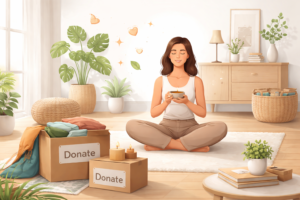
Adopting a minimalist lifestyle begins with small, intentional steps. The first step is to assess current possessions and identify items that are no longer useful or meaningful. This process often involves sorting belongings into categories such as keep, donate, or discard.
Another important step is to establish clear goals and priorities. Understanding what truly matters helps guide decisions about what to keep and what to let go of.
Creating simple routines and habits, such as regular decluttering and mindful purchasing, can help maintain a minimalist lifestyle over time. Gradual changes are more sustainable and less overwhelming than drastic transformations.
Minimalism in Daily Life
Minimalism extends beyond physical belongings and can be applied to various aspects of daily life. For example, simplifying daily schedules by eliminating unnecessary tasks can reduce stress and create more free time.
Digital minimalism is another important aspect, involving the reduction of screen time, social media use, and digital distractions. This helps improve focus and productivity.
In relationships, minimalism encourages prioritizing meaningful connections over superficial interactions. By focusing on quality rather than quantity, individuals can build deeper and more fulfilling relationships.
Challenges of Adopting Minimalism
While minimalism offers many benefits, it also comes with certain challenges. Letting go of possessions can be emotionally difficult, especially when items have sentimental value. This process requires patience and self-reflection.
Social pressure can also be a barrier, as modern culture often promotes consumerism and material success. Choosing a minimalist lifestyle may sometimes feel unconventional or misunderstood.
Additionally, maintaining minimalism requires ongoing effort and discipline. Without consistent habits, clutter can gradually return, making it important to stay committed to the principles of simplicity.
Minimalism and Financial Freedom
One of the key advantages of minimalism is its positive impact on financial well-being. By focusing on needs rather than wants, individuals can significantly reduce unnecessary expenses.
Minimalism encourages mindful spending, where purchases are made based on value and purpose rather than impulse. This leads to better financial planning and savings.
Over time, reduced consumption can help individuals achieve financial independence and reduce debt. This financial stability contributes to a greater sense of security and peace of mind.
Long-Term Impact of Minimalist Living
The long-term effects of a minimalist lifestyle go beyond a clean and organized space. It fosters a mindset of intentionality, where decisions are guided by personal values rather than external influences.
Minimalism can lead to improved productivity, as fewer distractions allow individuals to focus on meaningful tasks and goals. It also promotes sustainability by reducing waste and encouraging responsible consumption.
Ultimately, minimalism supports a balanced and purposeful life, where happiness is derived from experiences, relationships, and personal growth rather than material possessions.
Conclusion
The minimalist lifestyle is a powerful approach to achieving greater happiness and fulfillment in a cluttered and complex world. By simplifying physical spaces, daily routines, and mental habits, individuals can create a life that aligns with their true priorities.
Although the journey toward minimalism may involve challenges, the benefits of reduced stress, improved mental clarity, and financial freedom make it a worthwhile pursuit. As more people embrace this lifestyle, minimalism continues to redefine what it means to live well—not with more, but with less that truly matters.
Tag
Decluttering Digital Detox Financial Freedom Happiness Intentional Living Life Simplification Lifestyle Change Mental Well-being Mindful Living Minimalism Minimalist Lifestyle Modern Living Organization Personal Development Productivity Self Improvement Simple Living Stress Reduction Sustainable Living Work-Life Balance