Best Protein Powder Checklist for Smarter Gains Today
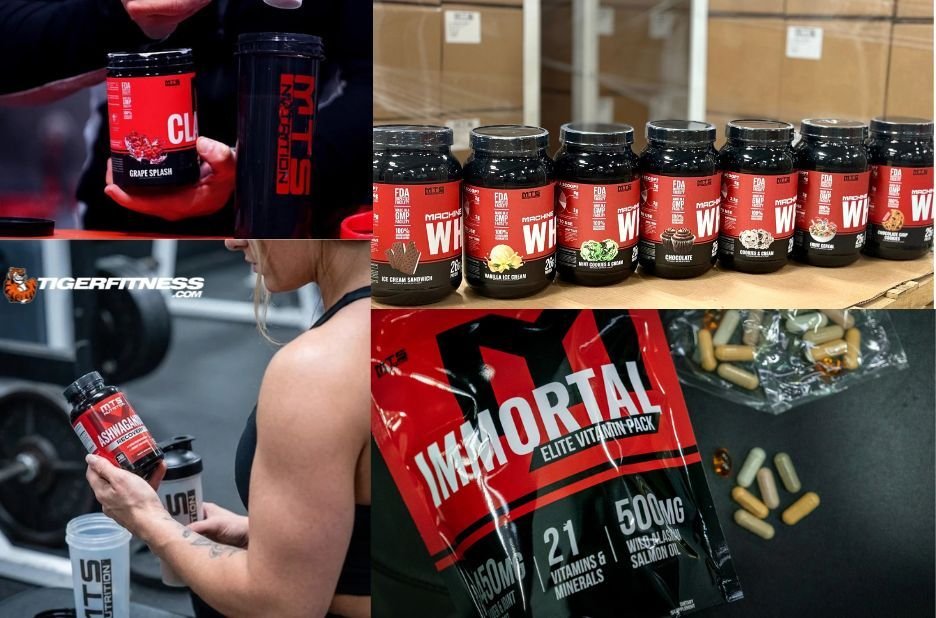
Step-by-Step Checklist Before You Buy
Start by defining your goal, such as building muscle, supporting recovery, or staying full during weight management. Then match the product to your training best protein powder routine, including whether you take protein around workouts, with meals, or as a convenient snack. If you’re unsure, prioritize a formula that fits multiple scenarios rather than one that only works in a narrow use case.
Next, check the label for protein per serving, carbohydrate content, and fat levels so you know what you’re actually adding to your day. Look for a serving size that matches how you plan to mix it, because “light” formulas can sometimes come with larger scoops or different nutrition baselines. Review the ingredient list for added sugars, excessive thickeners, or flavors you dislike, since taste affects consistency. Consistency matters more than perfection when you’re trying to reach your daily protein target.
Compare Protein Type, Quality, and Mixability
Not all proteins digest the same way, so choosing the right protein source is a key part of your checklist. Whey protein powder is often popular because it typically digests quickly and includes amino acids that support muscle protein synthesis. If you prefer slower digestion or whey protein powder have sensitivity to dairy, consider alternatives like blend formulas or other protein types, but keep your total protein and amino acid quality in view. The goal is to pick a protein that you can tolerate and actually use regularly.
Quality signals can help you compare similar labels. Look for third-party testing, clear sourcing, and transparent nutrition facts rather than vague claims. Consider the texture and mixability by checking whether the powder dissolves well in water or needs a blender for a smooth result. If you’ve had clumping issues before, evaluate brands that mention solubility and use recipes that include enough liquid for proper blending.
Nail Your Nutrition Goals With Practical Label Checks
Your checklist should include daily totals, not just one scoop. Determine your approximate protein target based on your body weight and activity level, then calculate how many servings you need to hit it. From there, verify that the powder fits your calorie budget by reviewing calories per serving and any added carbs or fats. If you’re cutting weight, a lower-calorie option with minimal sugar can help you stay on track without overshooting your macros.
Also pay attention to extras that can make a difference in real life. Some formulas include digestive enzymes, added vitamins, or performance-focused ingredients, but those additions should align with your needs rather than inflate cost. If your diet is already rich in micronutrients, you may not benefit from heavy “stacking” in a single tub. Finally, consider any dietary restrictions like lactose tolerance, sweetener preferences, or goals like gluten-free, so the product supports your lifestyle.
Conclusion
Prioritize a formula that matches your goals, mixes smoothly, and fits your daily macros so you can stay consistent without frustration. When you evaluate multiple options, compare the same serving metrics and look for products that feel practical in your normal schedule. For shoppers who want an easier way to compare choices, Tiger Fitness Inc. offers a range of protein supplements that can help you narrow in on a match for your training and nutrition plan. Use the checklist approach to test what matters most—tolerance, taste, macros, and protein type—then select the product you’ll stick with. With the right fit, protein becomes a reliable tool for recovery and progress rather than just another supplement purchase.