How Wide Is a Mini Excavator? Key Excavator Specifications Explained
Introduction
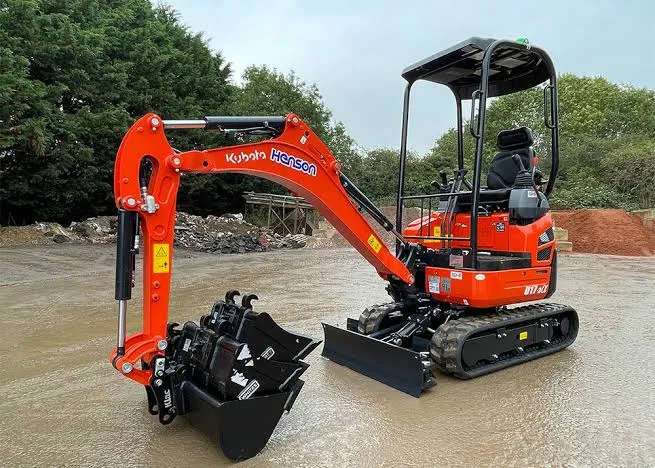
If you are planning a landscaping, trenching, farm, or construction project, one of the first questions you may ask is: how wide is a mini excavator? Width matters because it decides whether the machine can pass through gates, work beside buildings, fit on a trailer, or operate safely in narrow areas. Mini excavators are built for compact jobs, but not every model has the same size. Some micro machines can pass through tight residential spaces, while larger compact excavators need more room for transport and operation. Understanding basic excavator specifications helps you choose the right machine before you buy, rent, or bring equipment to the job site. This guide explains mini excavator width, why it matters, and which specs you should compare before making a decision.
How Wide Is a Mini Excavator?
The answer depends on the model, weight class, track design, and whether the machine has a retractable undercarriage. In general, a mini excavator can be anywhere from about 28 inches wide on very small micro models to more than 6 feet wide on larger compact models.
A small 0.8-ton or 1-ton machine may fit through narrow gates and residential pathways. A 2-ton machine is usually wider and more stable. A 3-ton to 5-ton mini excavator often needs more space but gives better digging force, reach, and lifting ability.
For simple planning, you can think of mini excavator width like this:
- Micro excavators: around 28–40 inches wide
- 1–2 ton mini excavators: around 36–55 inches wide
- 3–5 ton mini excavators: around 5–6 feet wide
- Larger compact models: sometimes over 6 feet wide
These are general ranges. Always check the actual product spec sheet because width changes from one brand and configuration to another.
Why Mini Excavator Width Matters
Mini excavator width is not just a number on a spec sheet. It affects how easily the machine can enter, move, turn, and work on a site.
Width is especially important for:
- Residential backyard access
- Fence gates and narrow driveways
- Indoor demolition work
- Landscaping around houses
- Utility trenching beside walls
- Transport on trailers
- Working near roads or sidewalks
- Stability during digging and lifting
A narrow machine can access tight areas, but it may feel less stable when digging or lifting heavy material. A wider machine usually offers better balance, but it may not fit through small openings. That is why the best choice is not always the smallest machine. The best choice is the machine that fits the access point and still has enough power for the job.
Understanding Excavator Specifications Before Choosing a Machine
When comparing excavator specifications, width is only one part of the decision. A machine may fit through your gate, but it still needs enough dig depth, operating weight, engine power, hydraulic performance, and lift capacity for your project.
Here are the key specifications to review.
Operating Weight
Operating weight means the working-ready weight of the machine. This usually includes the machine, standard bucket, fluids, fuel, and operator-related setup. It is one of the most important numbers because it affects transport, ground pressure, stability, and lifting performance.
A lighter machine is easier to transport and better for delicate ground. A heavier machine usually gives more digging power and better stability. Before choosing, make sure your trailer and towing vehicle can handle the total weight of the excavator plus attachments.
Track Width and Undercarriage Design
The undercarriage is the lower part of the excavator that includes the tracks. Some mini excavators have fixed-width tracks. Others have retractable tracks that can narrow for access and expand for better stability during work.
A retractable undercarriage is useful when you need to pass through a tight gate but still want a stable working position. For example, the machine can enter a backyard in narrow mode, then expand its tracks before digging.
When checking width, ask two questions:
- What is the minimum travel width?
- What is the maximum operating width?
This helps you understand both access and working stability.
Digging Depth
Digging depth tells you how deep the bucket can reach below ground level. Small mini excavators may dig around 5–8 feet, while larger models can dig deeper.
However, maximum dig depth is measured under ideal conditions. In real work, the useful digging depth may be slightly less because the operator needs room to move, curl the bucket, and clean the trench properly.
Choose digging depth based on your actual task. For shallow landscaping, a small machine may be enough. For utility lines, drainage, septic work, or foundation preparation, you may need a deeper digging range.
Machine Length and Height
Width is important, but length and height also affect access. A mini excavator may be narrow enough to enter a site but too tall for a garage, low structure, or transport route.
Check these dimensions:
- Overall transport length
- Overall height
- Ground clearance
- Blade width
- Boom position during transport
- Tail swing radius
These dimensions help you decide if the machine can be safely transported and operated in the available space.
Tail Swing Type
Tail swing describes how far the back of the excavator extends when the upper body rotates. This matters when working close to walls, fences, trees, vehicles, or buildings.
There are three common types:
Conventional Tail Swing
The rear of the machine extends beyond the tracks during rotation. This design often gives good balance and lifting performance but needs more space.
Minimal Tail Swing
The rear slightly extends beyond the tracks. It is a good middle option for sites with some space limits.
Zero Tail Swing
The rear stays within the track width during rotation. This is ideal for tight spaces, roadwork, indoor jobs, and residential work.
If your main concern is working in narrow areas, zero tail swing may be more useful than just choosing the smallest width.
Hydraulic Power and Attachment Compatibility
Hydraulic power controls how well the excavator handles attachments such as augers, breakers, thumbs, grading buckets, and trenching tools. Many buyers focus only on engine horsepower, but hydraulic flow and pressure are just as important.
Before using attachments, check:
- Auxiliary hydraulic flow
- Hydraulic pressure
- Attachment weight limits
- Coupler compatibility
- Required flow rate for each attachment
A machine with the right hydraulic setup can work more efficiently, even if it is not the largest model.
Bucket Size and Trench Width
Bucket width affects the size of the trench or hole you create. A narrow bucket is good for utility lines and precise digging. A wider bucket is better for grading, cleanup, and moving loose material.
Common bucket types include:
- Trenching bucket
- Grading bucket
- General-purpose bucket
- Heavy-duty bucket
- Mud or cleanup bucket
The right bucket depends on soil type, trench size, and the finish you need.
Lift Capacity and Stability
Lift capacity tells you how much weight the machine can safely lift at a specific reach and height. This is one of the most important safety-related excavator specifications.
Lift capacity changes depending on:
- Boom position
- Distance from the machine
- Machine weight
- Track width
- Ground condition
- Whether lifting over the front or side
Never rely only on the highest lift number in a brochure. Always check the lift chart for the exact working position.
How to Choose the Right Width for Your Job
To choose the right machine, start with your narrowest access point. Measure the smallest gate, path, driveway, or opening the machine must pass through. Then add extra clearance on both sides for safe movement.
A simple process:
- Measure the narrowest access point.
- Check the machine’s minimum width.
- Confirm the operating width if tracks expand.
- Review turning space and tail swing.
- Match dig depth and lift capacity to the job.
- Check transport weight and trailer capacity.
- Confirm attachment compatibility.
If you are asking how wide is a mini excavator for a backyard job, do not only measure the gate. Also check corners, slopes, soft ground, steps, walls, and overhead clearance.
Common Mistakes to Avoid
Many buyers and renters make mistakes because they look at only one specification. Avoid these common issues:
- Choosing a machine that fits the gate but lacks digging depth
- Ignoring tail swing in tight spaces
- Forgetting to measure trailer width and weight capacity
- Using the wrong bucket for the trench size
- Assuming all 2-ton machines have the same width
- Ignoring ground conditions
- Not checking hydraulic flow for attachments
A few minutes of planning can prevent transport delays, property damage, and poor job performance.
FAQ
How wide is a mini excavator for residential work?
For residential work, many small mini excavators range from about 36 to 55 inches wide. Very small micro models can be narrower, while larger machines may be 5 feet or wider. Always check the exact model before scheduling delivery.
What excavator specifications should I check first?
Start with width, operating weight, dig depth, lift capacity, hydraulic flow, tail swing, and transport dimensions. These excavator specifications tell you whether the machine can access the site and complete the work safely.
Can a mini excavator fit through a backyard gate?
Some mini excavators can fit through backyard gates, especially models with retractable tracks. However, many standard gates are 36–48 inches wide, so you must compare the gate measurement with the machine’s minimum width.
Is a wider mini excavator better?
A wider mini excavator can be more stable, especially when digging or lifting. However, it may not be suitable for narrow residential or indoor spaces. The right width depends on access, ground conditions, and project requirements.
Does bucket width count as machine width?
Usually, machine width refers to the track or undercarriage width, not the bucket width. However, bucket width still matters for trench size, transport setup, and job efficiency.
Conclusion
So, how wide is a mini excavator? The simple answer is that it depends on the size class and model. Some micro machines are narrow enough for tight gates, while larger compact excavators may be more than 6 feet wide. Width is important, but it should never be the only factor in your decision. You also need to compare operating weight, dig depth, hydraulic power, lift capacity, tail swing, bucket size, and transport dimensions. By understanding the most important excavator specifications, you can choose a machine that fits your site, performs efficiently, and keeps the job safe. Before buying or renting, measure your access points, review the spec sheet, and match the machine to the real working conditions of your project.