Blog
flexible work lifestyle, healthy lifestyle tips, healthy work habits, mental health and productivity, personal well being strategies, preventing burnout at work, productivity and well being, stress management strategies, time management for professionals, work life balance importance, work life balance strategies, work life balance tips
Yuvi
Work-Life Balance Strategies for a Healthier Lifestyle
In today’s fast-paced and highly connected world, maintaining a healthy balance between professional responsibilities and personal life has become increasingly challenging. Long working hours, digital connectivity, and growing workplace demands often blur the boundaries between work and personal time. As a result, many individuals experience stress, fatigue, and reduced productivity. Developing effective work-life balance strategies is essential for maintaining both physical health and mental well-being.
A balanced lifestyle enables individuals to perform efficiently at work while still enjoying meaningful personal relationships, hobbies, and relaxation. Research shows that employees who maintain better work-life balance experience lower stress levels, greater job satisfaction, and improved overall well-being. At the same time, organizations benefit from increased productivity and stronger employee engagement.
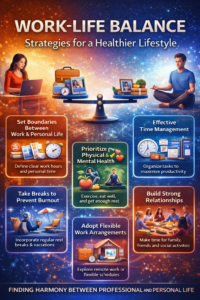
By adopting practical strategies such as setting boundaries, managing time effectively, prioritizing health, and nurturing relationships, individuals can build a sustainable lifestyle that supports long-term success and happiness.
Understanding the Importance of Work-Life Balance
Work-life balance refers to the ability to manage professional responsibilities alongside personal needs such as family time, health, and recreation. Achieving this balance is important because excessive work pressure can lead to burnout, stress, and declining productivity. When individuals are overwhelmed by work, they often struggle to maintain healthy relationships or focus on personal well-being.
Studies have shown that organizations promoting work-life balance tend to experience higher employee satisfaction and performance. Employees with balanced lifestyles demonstrate improved motivation, better decision-making abilities, and greater commitment to their roles.
Maintaining balance also contributes to mental and physical health. Flexible work arrangements and supportive workplace policies have been linked to reduced stress levels and improved well-being. Ultimately, work-life balance is not only beneficial for individuals but also essential for creating sustainable and productive work environments.
Setting Clear Boundaries Between Work and Personal Life
One of the most effective ways to achieve work-life balance is by establishing clear boundaries between professional and personal time. In modern workplaces, technology allows employees to stay connected to work at all hours, which can make it difficult to disconnect from job responsibilities. Without clear boundaries, work can easily invade personal time and lead to stress.
Setting defined work hours helps individuals maintain control over their schedules. For example, employees can avoid checking work emails after a certain time or create a dedicated workspace at home to separate professional tasks from personal activities. Communicating these boundaries with colleagues and supervisors is also important for managing expectations.
When individuals maintain clear limits, they are better able to focus during work hours while fully enjoying their personal time afterward. This separation reduces burnout and allows people to recharge, ultimately improving both productivity and well-being.
Effective Time Management for Productivity
Time management plays a critical role in achieving work-life balance. Many individuals struggle with overwhelming workloads simply because tasks are not organized effectively. By prioritizing responsibilities and planning schedules carefully, individuals can complete tasks more efficiently and create time for personal activities.
Experts recommend focusing on one task at a time rather than multitasking, as multitasking can significantly reduce productivity. Constantly switching between tasks can lower efficiency and increase mental fatigue.
Using digital planning tools, to-do lists, or time-blocking methods can help individuals structure their day more effectively. Techniques such as focused work sessions followed by short breaks can improve concentration and prevent burnout. With strong time management skills, individuals can achieve their professional goals while maintaining a balanced lifestyle.
Prioritizing Physical and Mental Health
A healthy lifestyle is an essential foundation for maintaining work-life balance. Physical health directly influences energy levels, concentration, and overall productivity. When individuals neglect their health due to work pressures, they may experience fatigue, stress, and reduced performance.
Experts recommend incorporating regular exercise, balanced nutrition, and adequate sleep into daily routines. Adults should aim for around seven to nine hours of sleep each night to maintain cognitive function and emotional stability. Physical activity also helps reduce stress and improve mood by releasing natural chemicals that promote feelings of well-being.
Taking care of mental health is equally important. Practicing mindfulness, meditation, or relaxation techniques can help individuals manage stress and maintain emotional resilience. By prioritizing self-care, individuals can improve both their personal well-being and professional performance.
Taking Breaks and Avoiding Burnout
Continuous work without rest can lead to mental exhaustion and reduced efficiency. Taking regular breaks throughout the day helps refresh the mind and maintain productivity. Short pauses allow individuals to regain focus, improve creativity, and reduce stress levels.
Incorporating breaks into the workday enhances cognitive performance and overall efficiency. Activities such as stretching, walking, or simply stepping away from a screen for a few minutes can significantly improve concentration and energy levels.
In addition to daily breaks, individuals should also take time off from work through vacations or personal days. Rest and relaxation provide opportunities to recharge both physically and mentally. By preventing burnout, regular breaks support a sustainable work routine and long-term well-being.
Building Strong Relationships and Social Support
Healthy relationships play a vital role in maintaining work-life balance. Spending quality time with family, friends, and loved ones provides emotional support and strengthens personal connections. These relationships help individuals cope with stress and maintain a sense of fulfillment beyond their professional achievements.
Engaging in social activities, hobbies, or community events can improve emotional well-being and create a sense of belonging. Research shows that strong social connections contribute to greater resilience and improved mental health.
Balancing work responsibilities with personal relationships requires intentional effort. Scheduling time for family dinners, social gatherings, or recreational activities ensures that personal connections remain a priority. By nurturing relationships, individuals create a supportive environment that enhances overall life satisfaction.
Adopting Flexible Work Arrangements
Modern workplaces are increasingly adopting flexible work arrangements such as remote work, hybrid schedules, and flexible hours. These options allow employees to manage their time more effectively and reduce stress caused by commuting or rigid work schedules.
Flexible work policies enable individuals to better align professional responsibilities with personal commitments such as childcare, education, or health needs. When employees have greater control over their schedules, they often experience improved well-being and productivity.
Organizations that support flexible working environments often see higher employee motivation and job satisfaction. Flexible work arrangements not only improve work-life balance but also contribute to a healthier and more productive workforce.
Conclusion
Work-life balance is essential for maintaining a healthy and fulfilling lifestyle in today’s demanding professional environment. By implementing effective strategies such as setting boundaries, managing time efficiently, prioritizing health, taking regular breaks, and nurturing relationships, individuals can create a balanced routine that supports both personal happiness and professional success.
Achieving work-life balance does not mean dividing time equally between work and personal life every day. Instead, it involves making thoughtful choices that allow individuals to meet their responsibilities while maintaining well-being. Organizations also play an important role by promoting flexible policies and supportive work cultures.
Ultimately, a balanced lifestyle leads to improved health, stronger relationships, and greater productivity. By adopting sustainable work-life balance strategies, individuals can build a healthier, more satisfying life while continuing to achieve their career goals.
Read more : engahmedgamal.com